
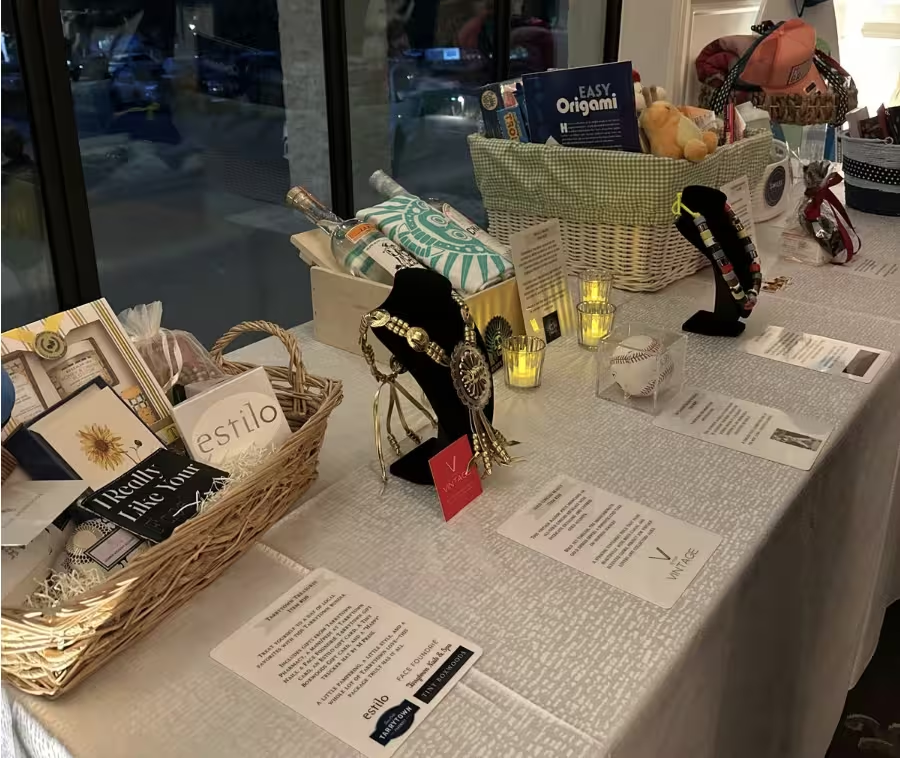
At an auction I attended recently, I spotted a restaurant gift card sitting on the silent auction table for two hours without a single bid. It was worth one hundred and fifty dollars, and it was for a well-liked spot downtown, printed on a plain card, propped against a small tent sign.
Twenty minutes before close, one of the auction volunteers grabbed a bottle of wine, two thin-stemmed glasses someone had donated separately, and a gift card to a nearby movie theater that also had no bids. She bundled them together under a handwritten sign that said “The Perfect Date Night: Dinner and a Movie,” and that same hundred-and-fifty-dollar gift card, now surrounded by maybe forty dollars of add-ons, closed at over $320 minutes later.
That’s the entire mechanic behind a strong auction bundle. The wine and the movie tickets barely moved the value on paper, maybe forty dollars combined. What they changed was what the bidder was picturing: a complete idea instead of a transaction, and a complete idea is worth more than the sum of its receipts. Most committees either skip bundling altogether or do it backwards, grouping whatever’s left over into a basket at the very end instead of starting with one strong item and deliberately building around it.
Bundling is just one piece of the bigger picture; I’ve walked through how to plan a charity gala auction from the ground up separately, but it’s worth its own dedicated look because it’s one of the easiest steps for a committee to get backwards.
Start With One Real Anchor
Every good bundle starts with a single item worth building around, not a pile of donations looking for a home. The anchor should be something a guest immediately understands and would want on its own: a hotel stay, a restaurant gift card, a day pass to a beach club, a round of golf.
If the anchor doesn’t work standing alone, no amount of add-ons will fix it. What add-ons do is take an anchor from nice to something a guest needs to win, by removing every small decision a winner would otherwise have to make themselves.
Build in Layers, Not a Grab Bag
Once you have an anchor, I think about add-ons in three layers, and a strong bundle usually pulls from at least two of them. The practical layer removes friction, giving the winner everything they’d otherwise have to plan or buy themselves. The sensory layer makes the experience feel indulgent the moment they open it, something that smells, tastes, or feels like a treat. The experiential layer upgrades the anchor itself into something the winner couldn’t easily book on their own.
An auction bundle stacked with only practical add-ons feels like a chore list. One stacked with only sensory add-ons feels like a gift basket with no real reason to bid big. The strongest bundles use practical items to round out the experience, one or two sensory touches to make it feel special, and, where the budget allows, one experiential upgrade that becomes the detail your emcee mentions from the stage.
Beach Club Day Pass to Coastal Escape
A day pass to a beach club is a fine silent auction item and a forgettable one. Alone, it’s a seventy-five dollar gift card with a photo of the ocean next to it. Layer in a beach bag, a full-size bottle of reef-safe sunscreen, a wide-brim sun hat, a couple of good paperbacks, and a small cooler stocked with two seltzers, and the same pass becomes something a winner can grab off the shelf and walk straight to the car with.
Add one experiential touch, a gift card to a beachfront restaurant for lunch after, and the item stops being a day pass and starts being a day at the beach, which is the sentence you actually want a bidder picturing when the gavel comes down.
One Trip, Two Very Different Bundles
The same anchor can turn into completely different bundles depending on who’s in the room, and a Vegas trip is the clearest example I use with committees. For an audience with a lot of young professionals and couples, I’d build that hotel stay out with show tickets to a headline residency, a dinner reservation at a steakhouse worth talking about, and a night at a rooftop club, which turns a hotel voucher into a full weekend built for two people who want to be out late.
For a more family-forward or older donor audience, the exact same hotel stay works better paired with tickets to a daytime show, a nice dinner reservation at an earlier seating, and a spa credit instead of the club night. Same anchor, same city, completely different bundle, because the add-ons should match how your specific room actually wants to spend a weekend, not a generic idea of what Vegas means.
A Round of Golf Becomes a Full Morning
A foursome at a nice course sells fine by itself to a golfer, but it sells better as a morning. Add a lesson with the resident pro, a sleeve of good balls, and a gift card to the clubhouse restaurant for lunch after, and you’ve turned a tee time into an event a guest can plan their whole Saturday around. If the budget allows one experiential upgrade, a caddie or a GPS-equipped cart does more for the bundle than another sleeve of balls would.
What Not to Bundle
Two mistakes show up constantly. The first is combining items that don’t share a story: a spa gift card taped to a set of car detailing vouchers doesn’t make either one more appealing, it just makes the table look disorganized. Every add-on should answer the same question the anchor does, so a beach pass gets beach add-ons and a dinner certificate gets dinner add-ons, not whatever happened to be sitting in the donation box that week.
The second mistake is bundling two genuinely strong items together on the assumption that combining them doubles the excitement. It usually does the opposite. A trip that would already draw a bidding war and a jewelry piece that would already draw one each deserve their own moment in the lineup. Save bundling for taking a solid, quiet item and giving it a reason to be loud, not for stacking two items that were already going to perform well on their own.
Presenting a Bundle So It Reads as One Idea
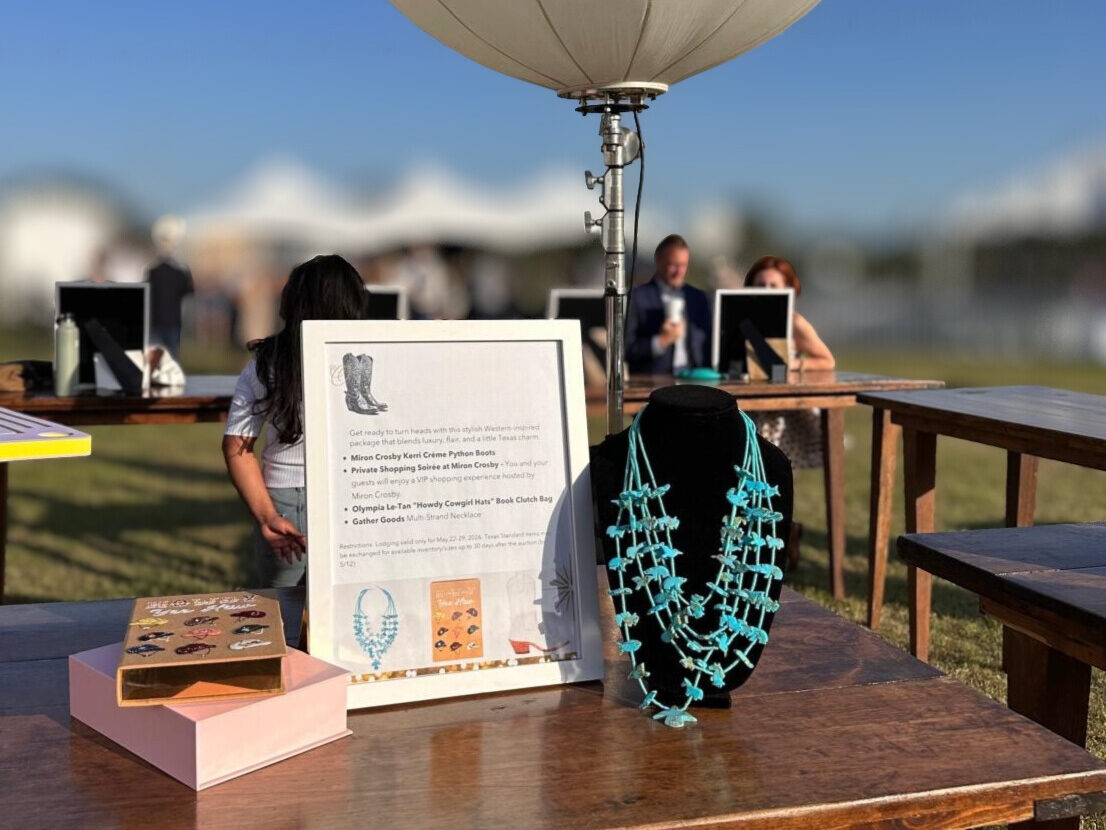
When you display your auction basket, give it a name that describes the experience, not an inventory list, “Coastal Escape” instead of “Beach Pass Plus Accessories”. Write a description that walks your bidder through the whole scene in order, rather than a bare list of contents, although the total value and every component should still be spelled out clearly somewhere on the card.
For anything that fits in a container, a clean basket or a woven tray beats a pile of items rubber-banded together, wrapped simply enough that a guest can see what’s inside without unwrapping it themselves. For travel or experience bundles that can’t physically sit on a table, one strong photo that shows the beach, the hotel suite, the tee box, does more work than a paragraph of description ever will.
Sourcing Add-Ons Without Creating More Work
The easiest add-ons to source are the ones you ask for by name once you already know your anchor. Instead of a general donation request, tell a business exactly what role you need them to play: a boutique’s gift card to complete a spa day, a bakery’s contribution to finish off a picnic bundle, a local bookstore for the paperbacks in a beach bundle.
Specific asks tied to a bundle that’s already half-built are easier for a donor to say yes to than an open-ended request for anything auction-related, and they usually take less back-and-forth to close.
Bundle Up for Bigger Bucks! $
The bundles that raise the most never started as a pile of donations looking for a purpose. They started with one good anchor and a clear idea of the exact experience a winner would walk away with. If your committee has a stack of solid, quiet items that could use a story built around them, let’s talk it through.
Where auction performance meets purpose
Give Every Auction Item a Story Worth Bidding On
Carrie helps committees turn quiet, solid donations into auction packages guests can picture themselves winning, then brings each one to life from the stage.
Start the Conversation Explore Services